
Get Support
99558 15565
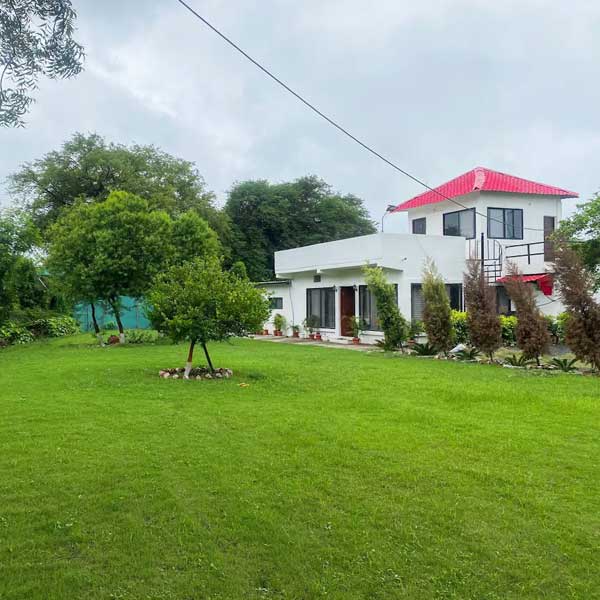
Buy Farmhouse
Keep in Mind While Constructing A Farmhouse
Constructing a farmhouse requires careful planning and attention to detail to ensure it meets your needs and blends well with its natural surroundings. Here are the key considerations to keep in mind:
1. Location and Land Selection:
Accessibility: Ensure the land is easily accessible by road and close to essential services while maintaining the seclusion and privacy typical of a farmhouse.Land Quality: Choose land with fertile soil if you plan to do any farming or gardening. Ensure the land is not prone to flooding or erosion.
Zoning Laws: Check local zoning regulations to ensure the land is legally suitable for farmhouse construction.
2. Architectural Design:
Blending with Nature: Design the farmhouse to blend with the natural environment, using materials and colors that complement the surroundings.Sustainable Design: Incorporate eco-friendly features such as solar panels, rainwater harvesting, and energy-efficient systems.
Orientation: Position the farmhouse to take advantage of natural light and ventilation, and to maximize views of the landscape.
3. Infrastructure and Utilities:
Water Supply: Ensure a reliable water source, such as a well, borehole, or connection to a local water supply. Consider setting up a rainwater harvesting system.Electricity and Power Backup: Plan for electricity connections or consider off-grid power solutions like solar energy. Include backup power options like generators.
Sewage and Waste Management: Implement an effective sewage system, such as a septic tank, and plan for sustainable waste management.
4. Construction Materials:
Durable and Sustainable Materials: Use materials that are durable and suited to the local climate, such as stone, brick, or timber. Consider reclaimed or locally sourced materials.Weather Resistance: Choose materials and construction techniques that protect the farmhouse from local weather conditions, such as heavy rains, strong winds, or extreme temperatures.
5. Layout and Space Planning:
Functional Layout: Design a layout that suits your lifestyle, including spaces for living, dining, cooking, and sleeping, as well as any special requirements like a home office or guest quarters.Outdoor Spaces: Plan for outdoor living areas like verandas, patios, or decks. Consider spaces for gardening, farming, or recreational activities.
6. Safety and Security:
Fencing and Boundaries: Secure the property with appropriate fencing or natural boundaries to keep livestock in and intruders out.Security Systems: Install basic security measures such as alarms, CCTV, and lighting, especially if the farmhouse is in a remote area.
7. Environmental Considerations:
Landscaping: Incorporate native plants and trees into your landscaping to maintain the natural ecology and reduce maintenance.Wildlife Protection: Plan for wildlife protection by ensuring the farmhouse and its surroundings do not disrupt local wildlife habitats.
8. Future Expansion:
Scalability: Design the farmhouse with future expansions in mind, allowing for the addition of more rooms, outbuildings, or farming areas if needed.Flexible Use: Consider how the spaces can be adapted for different uses over time, such as converting a barn into guest accommodation.
9. Legal and Financial Aspects:
Permits and Approvals: Obtain all necessary permits and approvals from local authorities before starting construction.Budget Planning: Prepare a detailed budget, accounting for construction costs, land preparation, utilities, and contingencies.
10. Livelihood and Lifestyle:
Farming or Gardening: If the farmhouse will be used for farming or gardening, plan areas for crops, livestock, and equipment storage.Recreation and Relaxation: Design spaces for relaxation, such as a pool, meditation area, or walking trails, to enhance the farmhouse experience.
11. Community and Support:
Proximity to Services: Consider the distance to the nearest town or village for access to supplies, healthcare, and other services.Local Support: Build relationships with local contractors, suppliers, and neighbors who can assist with construction and ongoing maintenance.
Conclusion:
Constructing a farmhouse involves balancing functional needs with a desire to create a serene, comfortable, and sustainable living space. By carefully considering location, design, materials, infrastructure, and environmental impact, you can build a farmhouse that not only serves as a retreat but also stands the test of time.Property
Featured Properties
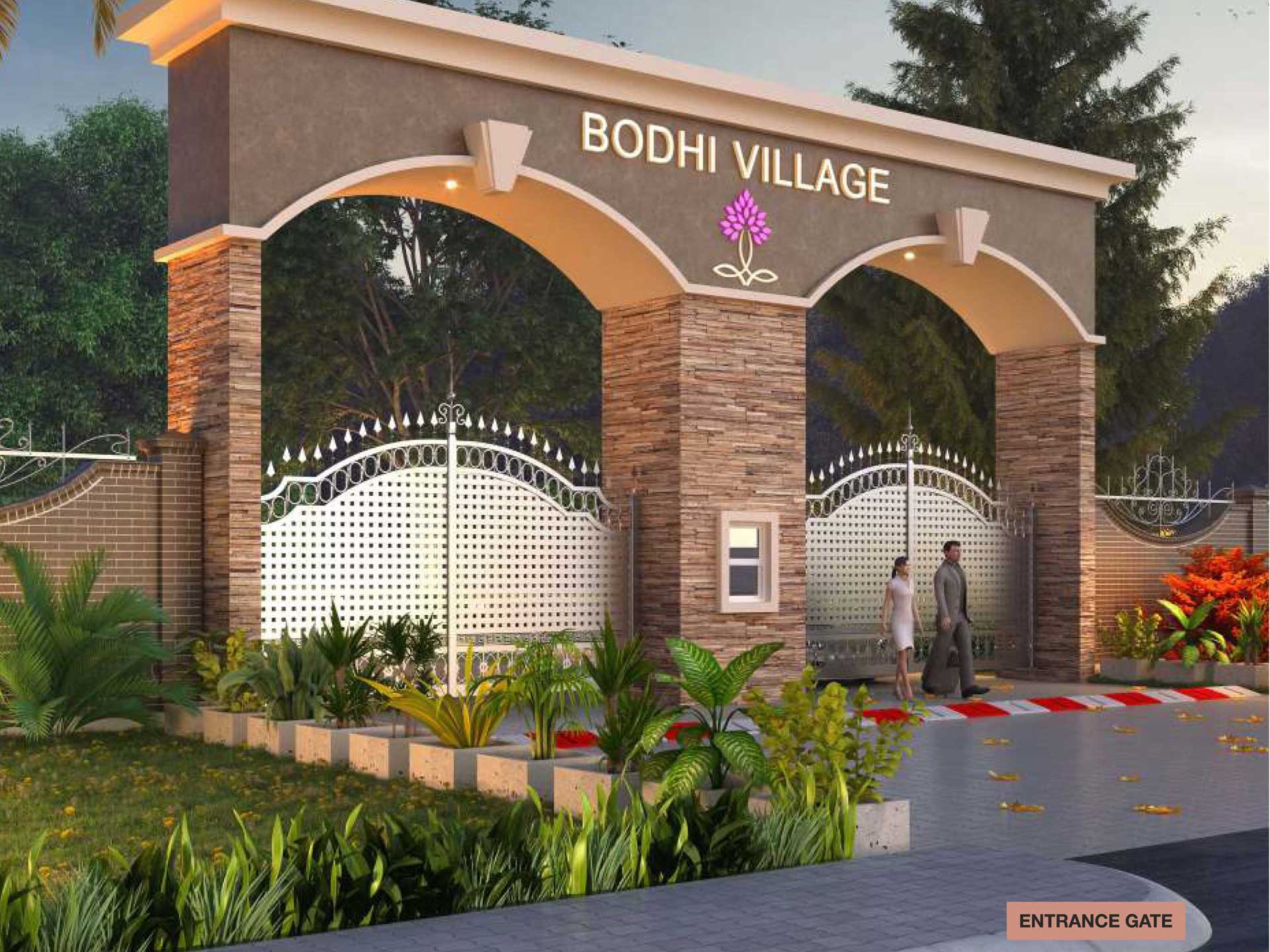
Bodhi Village Township
- Duplex Type I & II
- Bungalow Type I & II
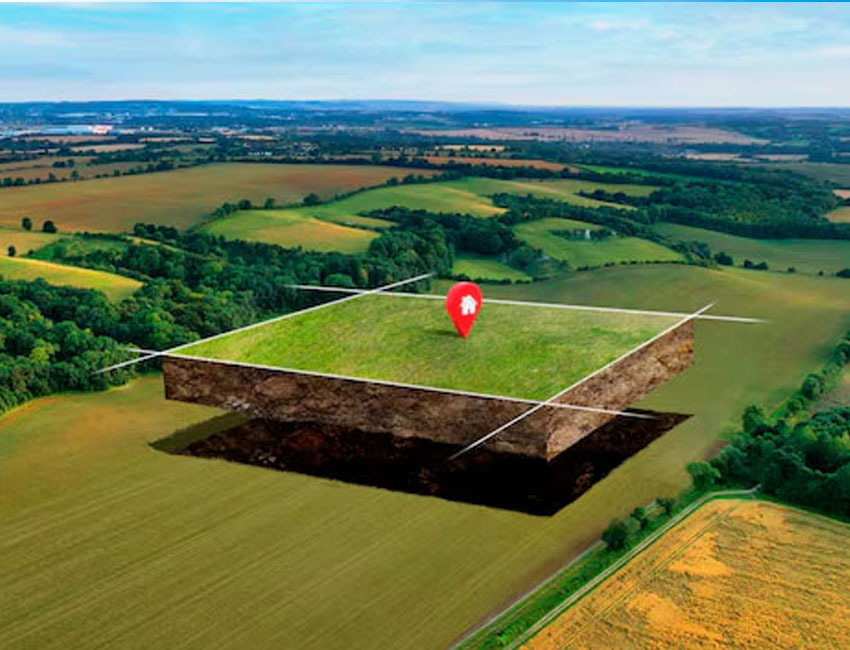
Teledih Road, Narayanpur
- 4, 5, 6 Decimil Plot
- 10, 15, 20 Decimil Plot
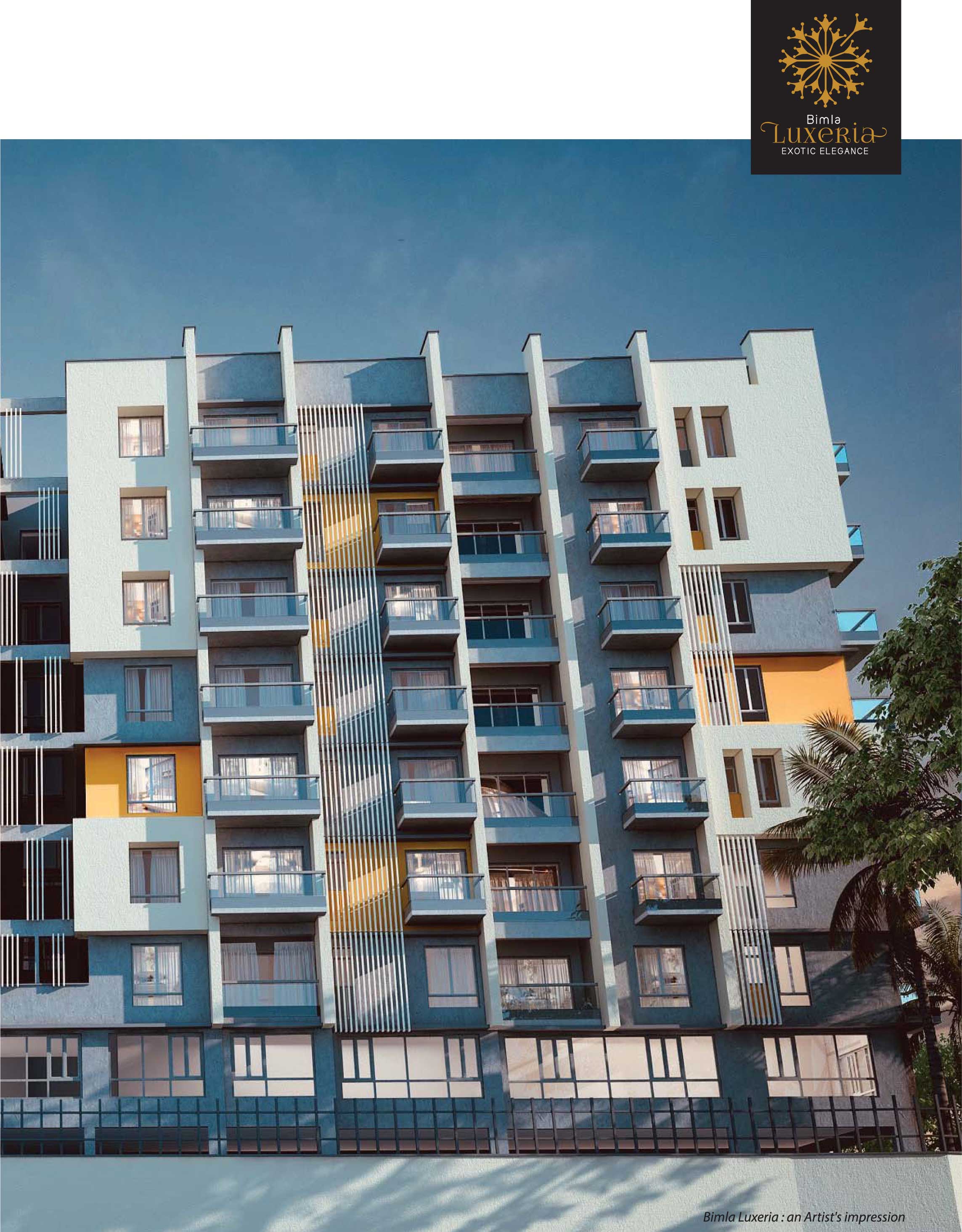
Looking for a Dream Home?
We can help you realize your dream of a new home